
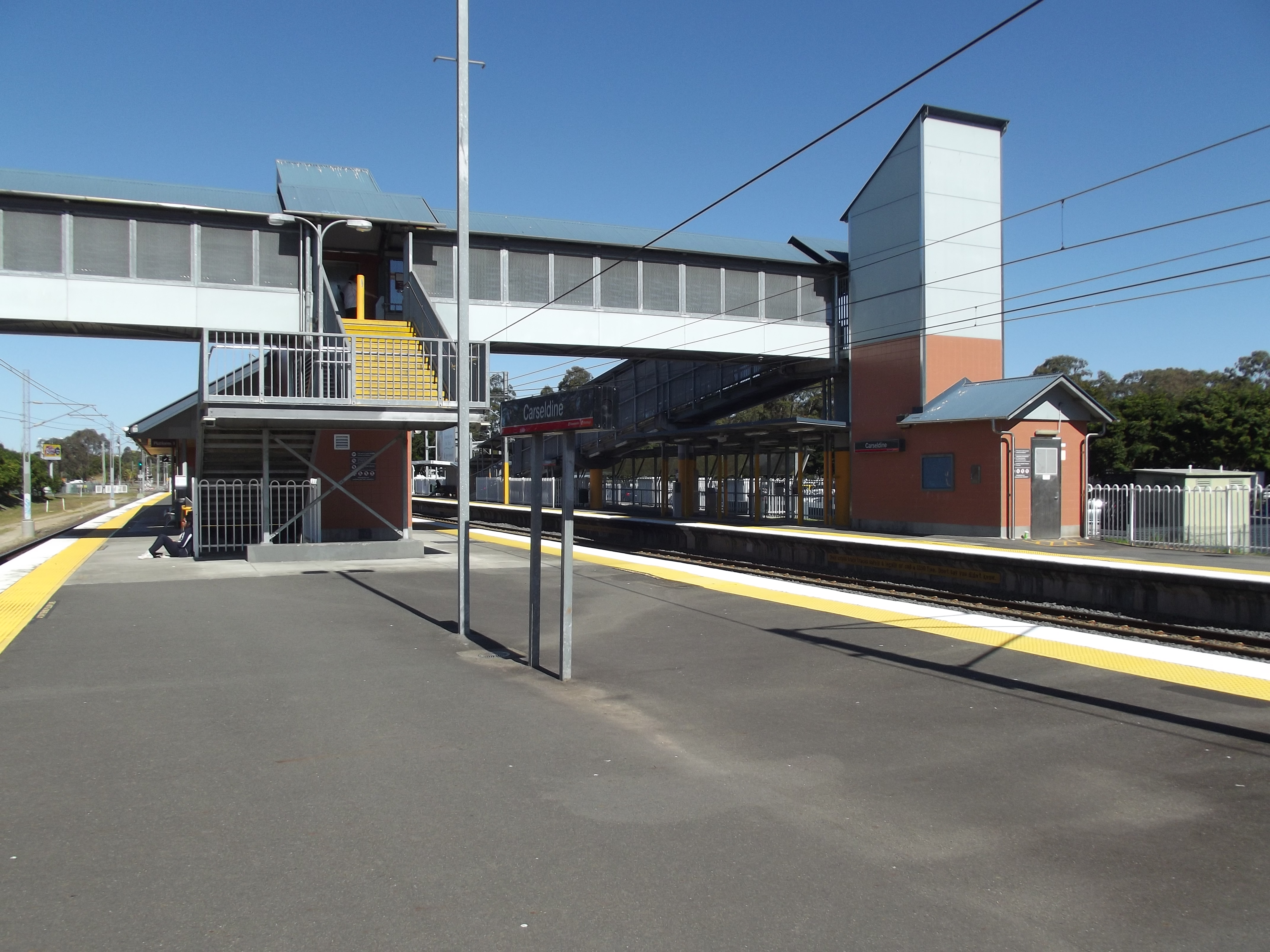
Carseldine Railway Station, on the Redcliffe Peninsula line. The station puts Carseldine 30 minutes from the CBD — a commuter advantage that's only become more valuable as the Carseldine Urban Village redevelopment adds thousands of new residents and workers to the precinct.
Before the Suburb — Bald Hills' Southern Paddocks (1858–1970s)
Carseldine was named after the Carseldine family, who settled in nearby Bald Hills in 1858. William Carseldine was a fencing contractor — the kind of practical tradesman who built the boundaries that defined the early farms. But for more than a century, "Carseldine" was just a name on the map, not an actual suburb. The area was the southern part of Bald Hills, with a wedge of Aspley protruding across Cabbage Tree Creek. The Aspley football club oval and bowling club green on Graham Road were originally a showground and memorial park — the only real landmarks in a landscape of farms and paddocks.
Carseldine finally emerged as a distinct suburb in the early 1970s. The 1976 census counted 1,145 people. But the suburb's character was about to be defined by something much bigger than housing.
The Teachers College Era (1974–1982)
In 1974, the North Brisbane College of Advanced Education opened on a 53-hectare site in Carseldine — a short walk from the railway station that had opened on the newly-built line. The campus was designed to train teachers for Queensland's booming postwar school system, and it quickly expanded beyond education to include business studies, community studies, and liberal arts.
The college merged into the Brisbane College of Advanced Education in 1982, along with Kelvin Grove, Mount Gravatt, and the Brisbane Kindergarten Teachers College. In 1990, that merged entity became part of the newly-formed Queensland University of Technology. Carseldine was now a QUT campus — a satellite of the growing university system, serving students from Brisbane's northern suburbs who didn't want to commute all the way to the city.
The campus gave Carseldine an identity that no other northern suburb had. It wasn't just a dormitory suburb — it was a university town. Students filled the flats and share houses. The library was a community resource. The open space of the campus was a de facto park for local families.
The Gap Years (2008–2009)
In November 2008, QUT announced it was closing the Carseldine campus. Student numbers had dropped from 2,731 in 2004 to just 2,014 in 2007. The university consolidated its operations at Kelvin Grove and Gardens Point. The 53-hectare campus — the buildings, the grounds, the playing fields — sat empty.
Most suburbs would have seen that as a death knell. Carseldine saw it as a blank canvas.
The Urban Village (2009–Present)
In 2009, the Queensland Government approved the Carseldine Urban Village — a master-planned, mixed-use redevelopment of the former QUT site. The vision was ambitious: 900 homes, commercial space, retail, public open space, and a genuine town centre — all built around the existing train station. The Fitzgibbon Urban Development Area (2009) added another 295 hectares of renewal across Carseldine, Fitzgibbon, Bald Hills, Taigum, and Deagon.
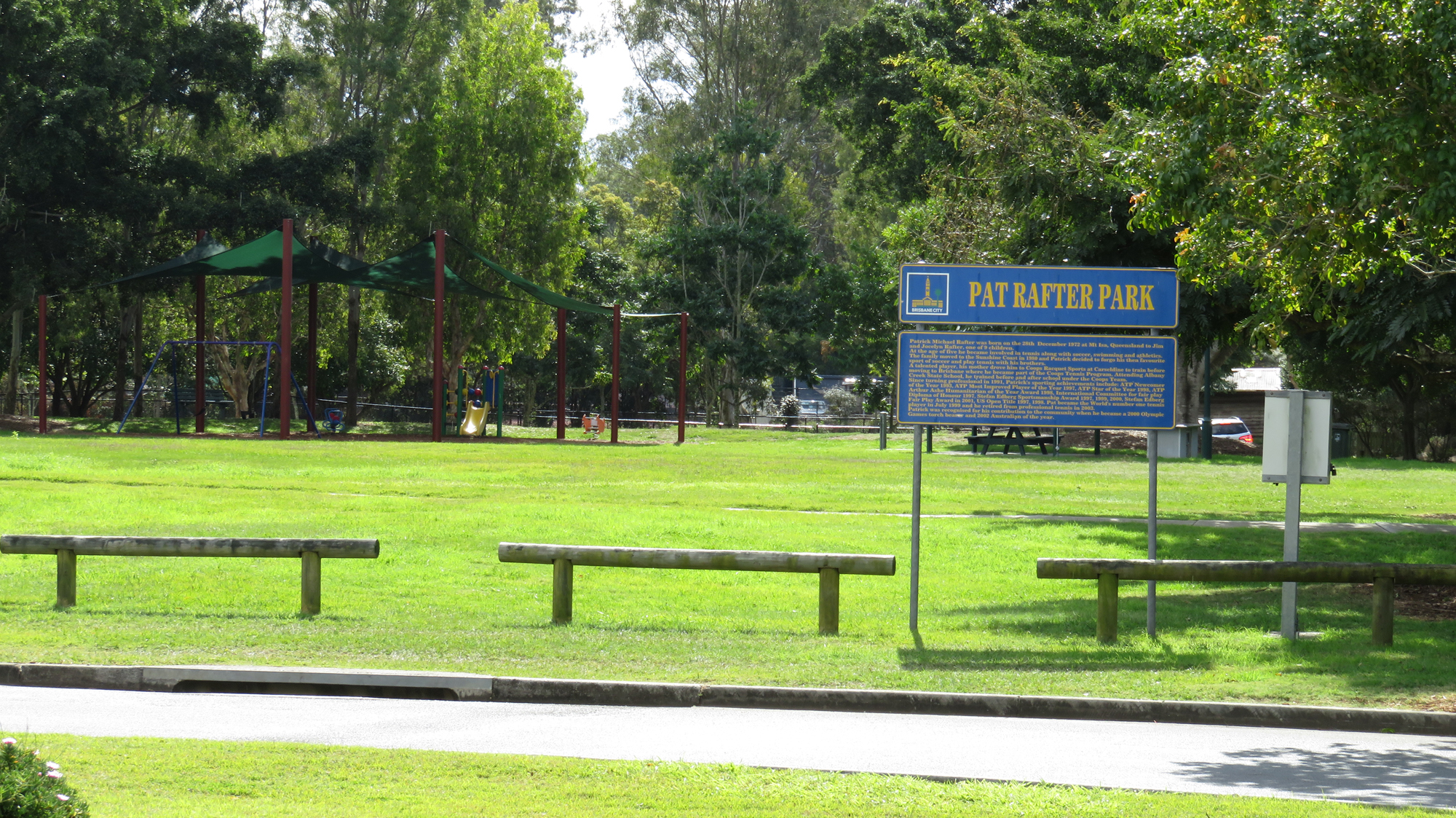
Pat Rafter Park on Medallion Place — named after the tennis champion who grew up in the area. The park is the sporting centrepiece of Carseldine, hosting tennis, soccer, and community events. It's one of 20 parks across the suburb, part of the green fabric that makes Carseldine quietly one of Brisbane's most liveable middle-ring suburbs.
Carseldine Today
Carseldine in 2026 is home to about 10,100 people, 15km from the CBD — essentially unchanged from five years ago, reflecting the suburb's settled character. The Urban Village is still being built out, which means the population story is about to change. The median house price of $1.12M is up 11.8% year-on-year — steady growth, not spectacular, reflecting the suburb's established middle-ring position.
The Indian community (6%) is a notable presence — a legacy of the QUT years drawing international students who stayed. The 58% owner-occupier rate is solid without being remarkable. The median age of 40 matches Bridgeman Downs next door.
The train station on the Redcliffe Peninsula line provides a 30-minute commute to the CBD. The Beams Road flyover has improved connectivity to the highway. 20 parks across the suburb — Pat Rafter Park being the centrepiece. The Aspley Hypermarket and Westfield Chermside are both within 10 minutes.
Who Should Buy Here?
Carseldine is for buyers who want established middle-ring living with a development pipeline. The Urban Village means the suburb's best days are ahead of it — more amenity, more residents, more buzz. But the existing suburb is already settled, with mature trees, good parks, and a solid community feel.
It's for people who see the potential in a place that's been reinventing itself for fifty years. A teachers college became a university campus. A university campus became a vacant lot. A vacant lot is becoming a town centre. Carseldine doesn't stay still — and that's exactly what makes it interesting.