

North Lakes, viewed from above — the artificial lakes that gave the suburb its name, surrounded by the residential estates, retail hubs, and green corridors that were planned before the first house was built. What was APM pine plantation in the 1990s became one of Queensland's fastest-growing communities in the 2000s.
Before the Lakes — Yugarabul Country to APM Pines
Before the lakes, before the Westfield, before the master plan, this was Yugarabul country — the traditional land of the Aboriginal people who lived along the Pine Rivers and Saltwater Creek. European settlement brought cattle grazing in the 19th century, followed by the Kinsella family dairy farm in the 1930s on what is now the northern part of the estate.
In the 1960s, Norman Meyers' pineapple plantations covered the south-eastern section — rows of pineapples stretching across the sandy soil, a precursor to the orderly rows of houses that would follow. But the defining feature of pre-development North Lakes was the APM slash pine plantations. Australian Paper Manufacturers planted thousands of acres of Pinus elliottii in the 1970s, feeding their Petrie paper mill. The dark, dense pine forests stretched from the Bruce Highway to Anzac Avenue, a green monoculture that dominated the landscape for three decades.
The Master Plan (1999)
In April 1999, developers broke ground on what would become North Lakes. The concept was audacious: carve a new town out of pine plantations, build artificial lakes as the centrepiece, and attract every major retailer — Westfield, IKEA, Costco — before the residents even arrived.
It worked. Westfield North Lakes opened in 2002–03 with over 270 stores. North Lakes State College — a Prep-through-12 public school — opened at the same time. The Lakes College, a private school, followed in 2005. The North Lakes Business Park brought jobs — professional services, logistics, healthcare — meaning residents didn't all need to commute south. The suburb was gazetted as separate from Mango Hill in 2006, cementing its identity as a standalone community.
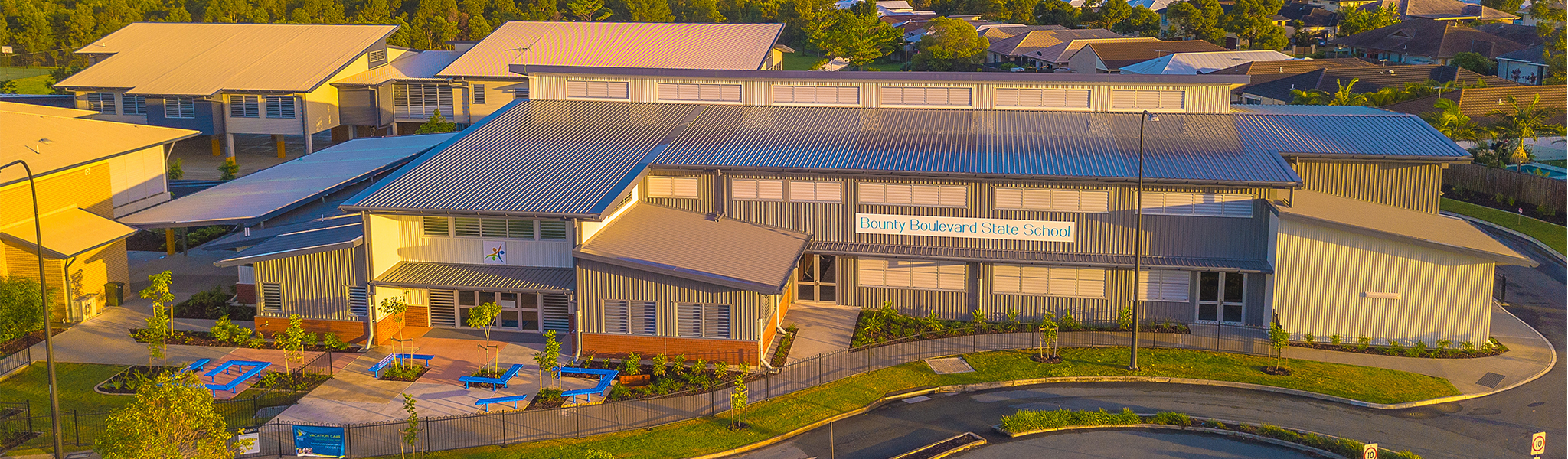
Bounty Boulevard State School — one of the purpose-built schools planned into North Lakes' master-planned fabric. From Prep through to Year 12 at North Lakes State College, the suburb's education infrastructure was designed to handle the young demographic before the families moved in.
The Numbers
The growth has been extraordinary by any measure. Population went from 15,046 in 2011 to 23,030 in 2021 — a 53% jump in a decade. The median age of 31 is among the youngest in the Moreton Bay region, reflecting the tide of young families who arrived for the jobs, the schools, and the relative affordability.
House prices: $1.05M median in 2025, up significantly from the low-to-mid $300ks when the first estates sold in the early 2000s. The 5% South African community is one of the largest in Brisbane — a testament to the suburb's appeal to skilled migrants seeking the master-planned lifestyle. 55% owner-occupied, balanced by strong investor demand reflected in 3.5% house yields and 4.6% unit yields.
The Amenity Stack
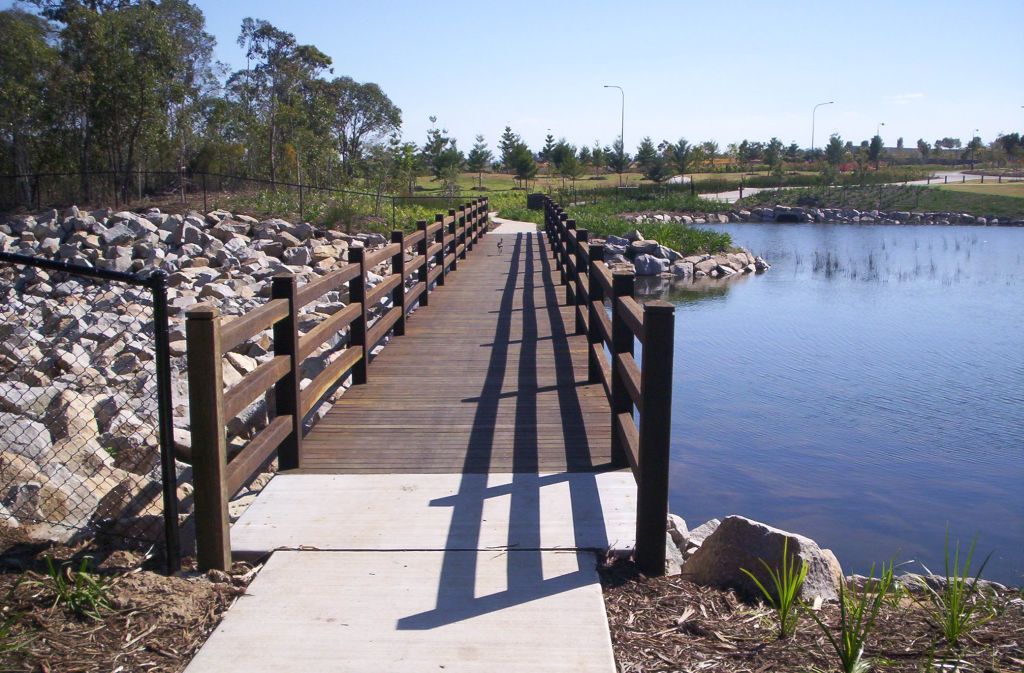
North Lakes has 35 parks covering 15% of the suburb. The artificial lakes are the centrepiece — walking trails, boardwalks, and green corridors connecting the residential estates. Westfield North Lakes is the retail anchor with 274 stores, dining, and a cinema. Costco and IKEA are both within the suburb boundaries — a retail concentration that most Brisbane suburbs can't touch.
The North Lakes Business Park employs thousands in professional services, logistics, and healthcare. The Moreton Bay Rail Link (opened 2016) doesn't directly serve North Lakes — the nearest stations are at Mango Hill — but the bus network connects to the train and to Chermside. Most residents drive: the Bruce Highway is minutes away, and the commute to the CBD is about 35 minutes in decent traffic.
Who Should Buy Here?
North Lakes is for young families who want the master-planned lifestyle: everything they need within a 10-minute drive, schools planned before the kids were born, parks and lakes instead of bush blocks, and a suburb that's still young enough that their kids will grow up alongside it. It's for investors targeting the northern growth corridor — the population trajectory is still pointing up, and the retail/employment base gives the suburb a resilience that purely residential estates lack.
And it's for anyone who appreciates the audacity of building a city from scratch — of looking at a pine plantation in 1999 and seeing 23,000 homes, two shopping centres, a dozen schools, and a lake. The slash pines are gone. The lakes are here. And North Lakes keeps growing.